
Whoa!
I started using Solana wallets out of curiosity a few years back. My first impression was: fast and cheap compared with older networks. Initially I thought it was just hype, but then saw real dApps moving millions of dollars in tiny transactions, and that changed my view. On one hand the UX felt modern; on the other hand security felt like somethin’ you needed to be careful with, especially as extensions proliferated. Here’s the thing—browser extensions make on-ramp friction almost vanish, though they also raise a different set of risks that are worth understanding before you click “add to browser.”
Whoa!
Phantom stands out to me for a few reasons. It nails the basics — seed phrase backup, clear transaction signing, and sane UI patterns that don’t confuse beginners. My instinct said this would be another flashy app with rough edges; actually, wait—Phantom matured quickly and addressed many early annoyances. Still, nothing’s perfect, and there are trade-offs between convenience and absolute isolation from the web page context. If you want a pragmatic Solana-first wallet as a browser extension, phantom is the most user-friendly option I’ve used.
Whoa!
Seriously?
Yep—seriously. The extension model means your private keys live in the browser profile, which is great for day-to-day interaction but also means a compromised device is a real problem. On a technical level Phantom uses in-browser secure storage and permission prompts to reduce accidental approvals, though attackers still exploit social engineering to get signatures. So treat any wallet like you would a bank card: small habitual care prevents big losses. Keep hot funds minimal and consider cold storage for large holdings, plain and simple.
Whoa!
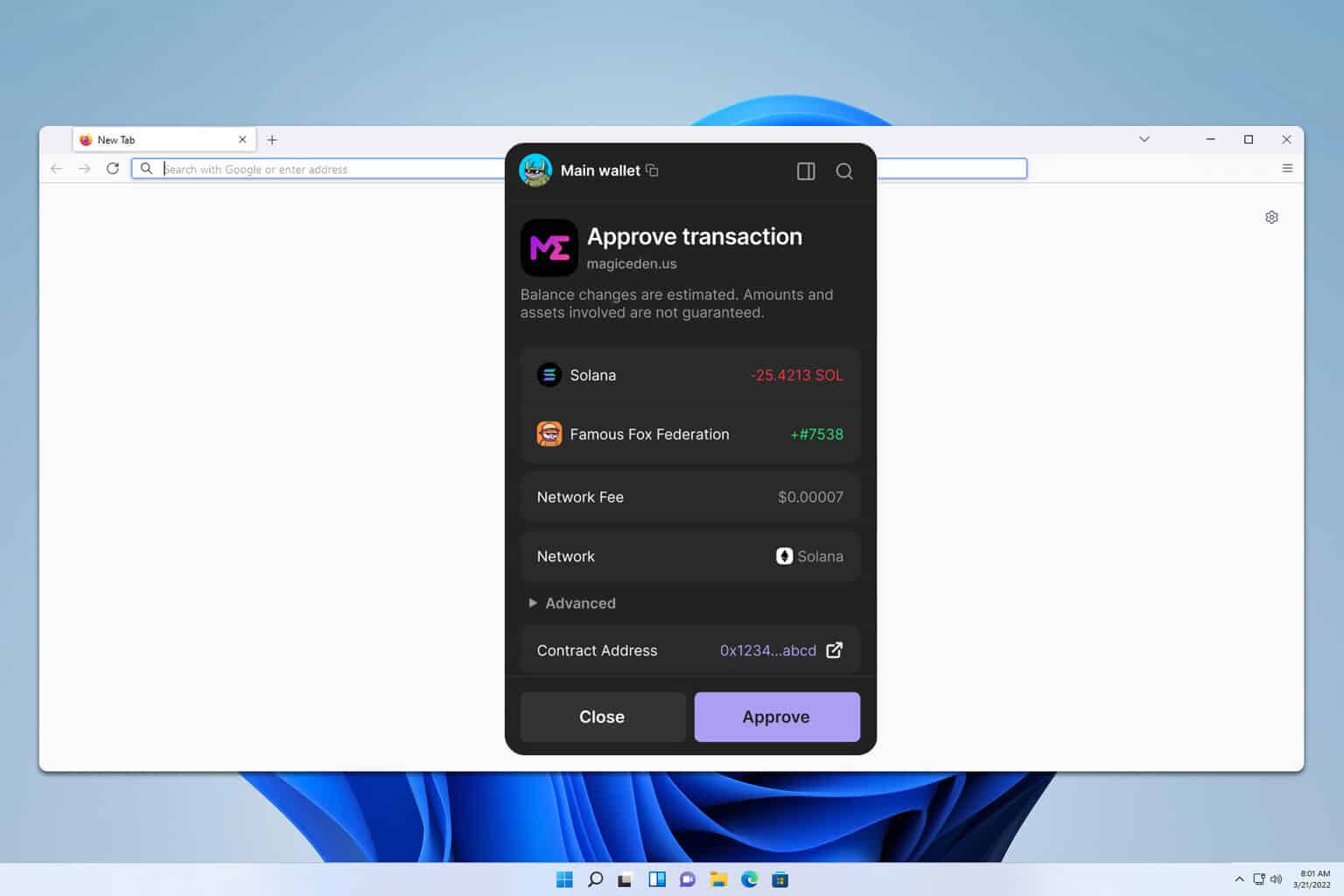
Initially I thought wallet onboarding was the hardest part for new users. Then I realized that ongoing transaction hygiene is actually harder to teach. Let me explain: people will add an extension, accept a few permissions, and before they know it they’re signing anything that blinks. On the other hand, Phantom’s interface nudges users with clear domain names and request details, which reduces accidental approvals more than many competitors. I’m biased, but I’ve seen that subtle UI clarity saves people from losing tokens more often than fancy security jargon does.
Whoa!
Here’s the practical bit—how to get started safely. First, download from a trustworthy source; do not click random ads or social links. If you’d like an official landing page to start from, use this trusted page for the extension: phantom. Create a new wallet and write down the seed phrase on paper immediately. Seriously, write it down—no screenshots, no cloud notes (that part bugs me).
Whoa!
Medium caution: when you create the wallet, Phantom will show your 12 or 24-word seed phrase depending on version. Copying that phrase digitally is tempting, but it’s a single point of failure if your device is ever compromised. On the other hand, storing it only on paper and in a safe place keeps you in full control; consider a fireproof safe or bank deposit box for long-term storage. If you’re doing very small amounts, a redundancy of two separate paper copies in different places is enough, but for larger holdings, consider a hardware wallet that supports Solana via a supported integration.
Whoa!
Hmm…
One practical workflow I use: keep the extension in a dedicated browser profile so separate tabs and cookies can’t invisibly interact with it. It takes two minutes to set up and reduces weird cross-site permission issues. On deeper thought, though, you should balance convenience—if you use many dApps daily, the friction might make you revert to a single profile environment. There’s no one-size-fits-all answer; test your routine and adjust until it feels secure and reasonable.
Whoa!
Okay, so check this out—Phantom also offers a mobile app that mirrors much of the extension’s experience. The app is handy when you’re on the go, but remember mobile is a differently risky environment: app permission models and device backups behave differently. My advice: treat the mobile app as complementary, not primary, unless you have strong mobile security practices. Also, if you’re bridging assets or using Serum-style orderbooks, double-check slippage and contract addresses; mistakes there are irreversible.
Common questions I hear (and my blunt answers)
FAQ
Q: Is a browser extension wallet safe?
A: Short answer—yes, if you use it carefully. Long answer—keep the extension updated, only install from a trusted source, lock your computer with a passcode, and treat signed transactions like checks: look at the details before you approve. Seriously, read domain names and request amounts; signature prompts are where social-engineering attacks happen.
Q: Can I recover my Phantom wallet?
A: Yes—using your seed phrase. Initially I thought digital backups were fine, but experience taught me otherwise. If you ever lose access to your browser profile, the seed phrase is how you restore the wallet elsewhere. So protect it like a key to your house, not like a disposable note.
Q: Should I use hardware wallets with Solana?
A: If you hold meaningful value, absolutely consider a hardware wallet. On one hand it adds extra steps; though actually it dramatically reduces exposure to web-based phishing and extension compromises. Many users keep a small hot wallet for daily use and a hardware-secured cold wallet for savings—this split strategy feels practical to me.
Q: How do I avoid scams?
A: Be skeptical—always. If an airdrop or “free” mint asks for a signature beyond simple approval, pause. My instinct said somethin’ was off more than once; often it was a malicious contract asking for token approval to move assets. Never approve token transfer permissions unless you understand the contract and trust the project. When in doubt, ask a friend or check community sources, and don’t rush.
